Loud and Proud: Making Your Mark in the Animation Industry
Once you start learning about the contribution of Black artists to animation you quickly discover how Black contributions have been erased. I’ll give you an example.
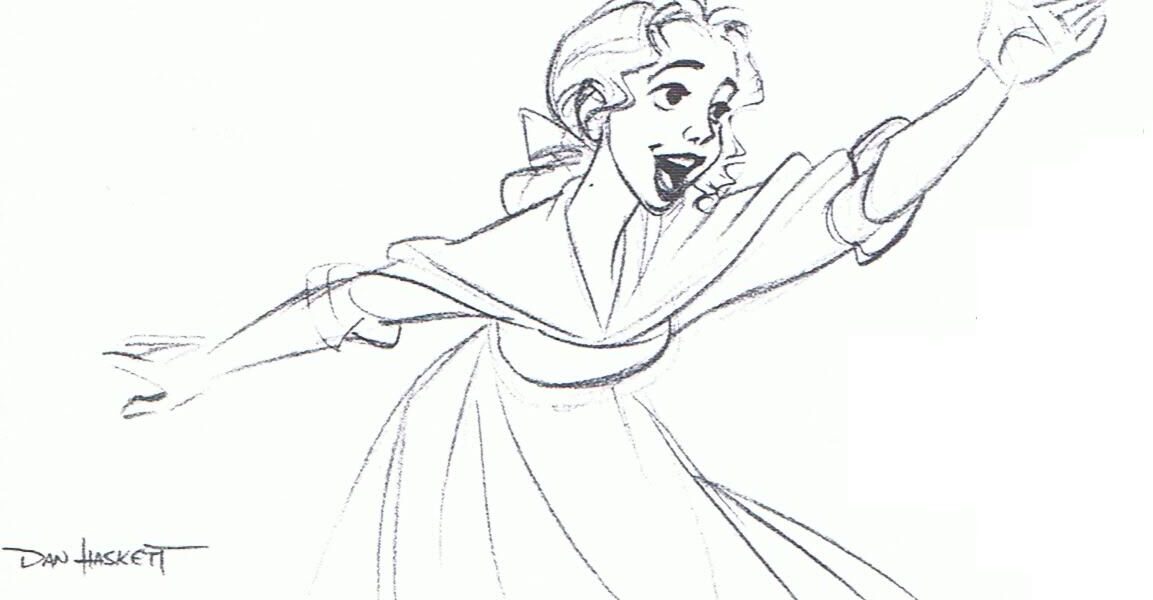
Back in the 90s Disney would do these specials about the making of their animated films. For Beauty and the Beast they made a big deal about designing Belle with full lips.
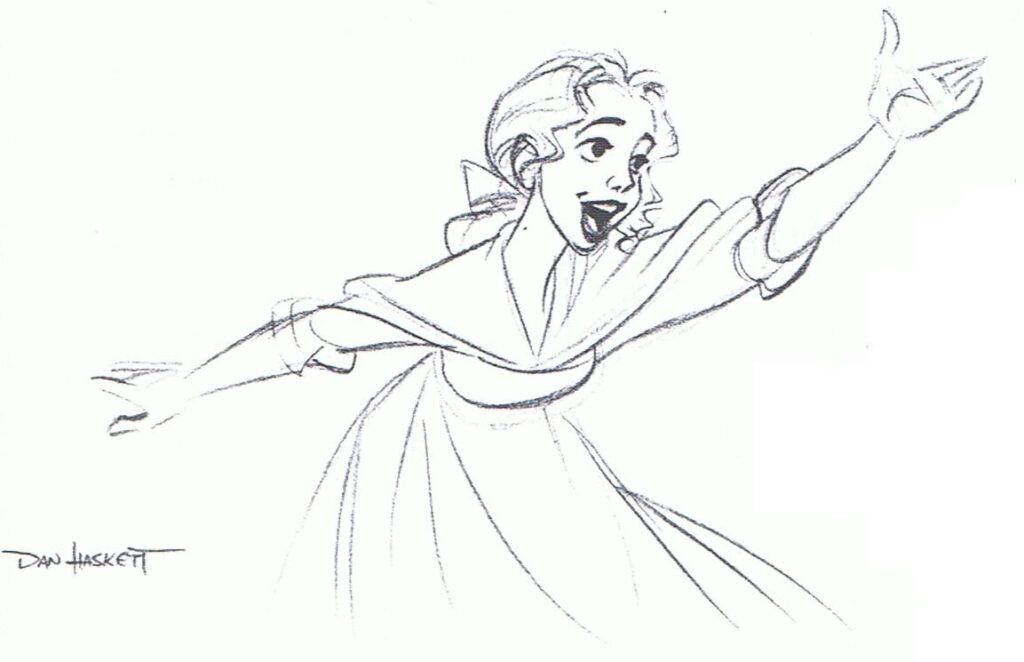
What those specials in the 90s failed to mention, that I learned much later, is the reason Belle has full lips is because she was designed by a Black man. Dan Haskett.
When you know how film works behind the scenes, it’s easy to see how this erasure occurs. Filmmaking is a team sport. This is true for animation as much as live-action. A feature animation production often involves hundreds of workers. When you’re a small part of a greater whole, it can be hard to neatly separate contributions.
And studios exacerbate this in their marketing campaigns. When it comes to promoting the film, they don’t want to celebrate every individual contribution. They want audiences to associate the film with the studio, not studio employees. The exception to this is when they select a handful of workers as promotional subjects for interviews and media appearances.
More often than not, the workers they select are white.
This has changed marginally in the 21st century. In the 20th century, however, the animation “stars” that were lifted up to promote films were almost always white. They became the faces of animation. When audiences don’t fully understand the vast number of people working on an animated film, it’s easy to assume that these people are on television and in newspapers because they are making the most important contributions.
And so, these artists become the only animation artists we talk about. The rest disappear into the background. Thousands upon thousands of animation production stories are never told.
I never thought very deeply about who designed Belle and her full lips. The only reason I know the truth is because years later I entered the animation industry, and as a Black animation professional, I sought out other Black animation professionals. This is how I met Dan Haskett and Jerry Brice, who both worked at Walt Disney Studios in the 80s. I talked to them myself and they told me about their contributions to the animation industry.
Artists, Be Loud
It is important to film history and to the craft for animation professionals to be loud and proud about their contributions to the animation medium. Talk about them. Post them online. Keep them on your blog or website. Share them on YouTube. Show them in galleries. Publish books about your work.
It is doubly important for Black artists and other marginalized workers, because studios will not sing your praises. They will erase you if they can. You can’t wait for a historian or documentarian to find you. The only way the outside world will know about your contributions is if you talk about them.
I’ll admit I encourage this a bit selfishly, because one of the things I tell young people aspiring to enter the animation industry to do is study the work of professionals, and a great way to find those professionals is by watching animated productions, writing down the names in the credits, and looking up those workers’ reels, portfolios, and websites online.
If you keep all of your work behind closed doors, the next generation of artists has no way of learning what they should be doing. They don’t know what production work is supposed to look like. They won’t know how to talk about their own contributions when their time comes.
Be loud, be proud. Do it for the next generation. Do it for the industry. Do it for the culture. Do it for yourself.